
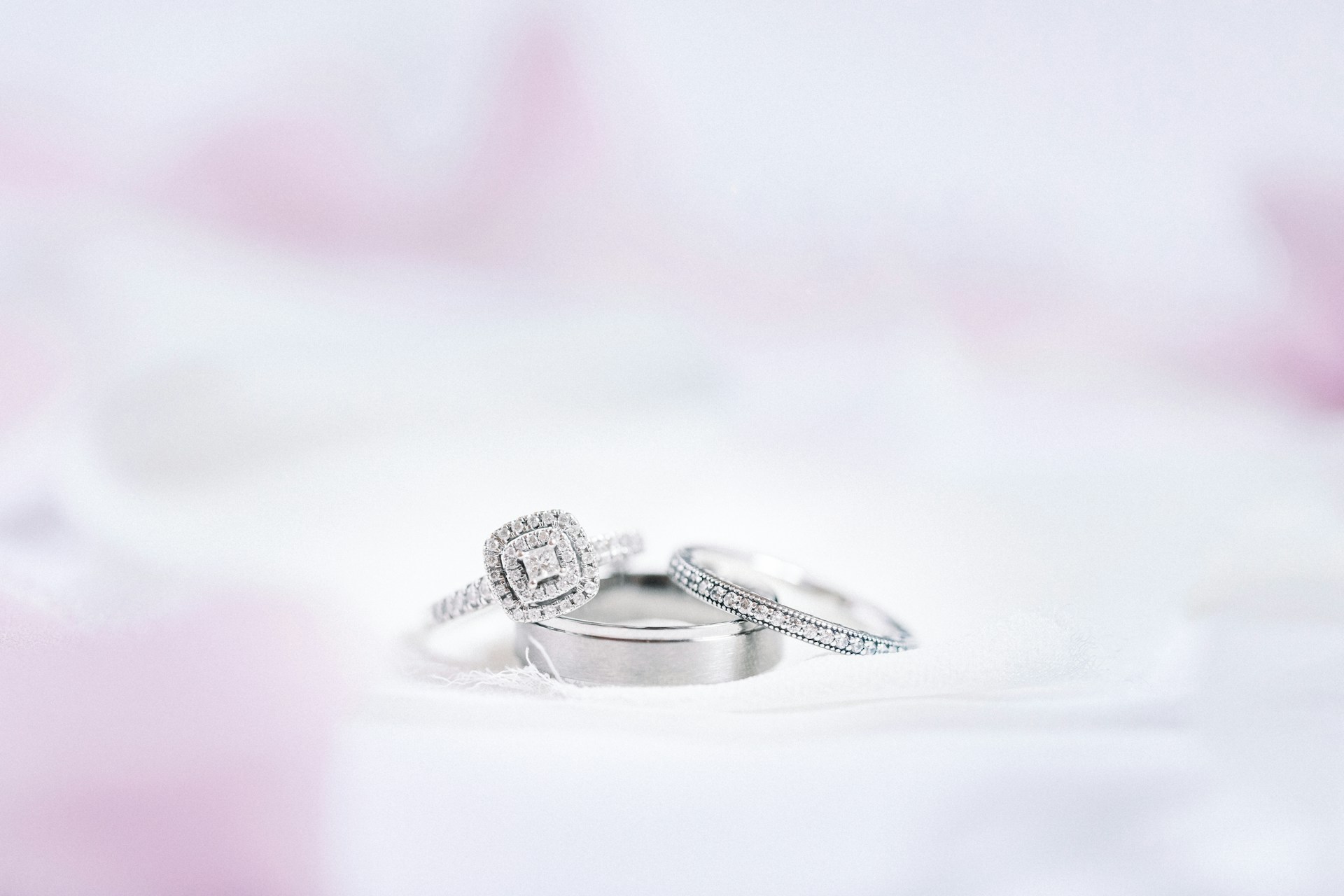
Beautiful jewelry has always carried emotional weight, but today’s buyers are asking more of it. They still want brilliance, rarity, and craftsmanship, yet they also want to know where a stone came from, how a metal was sourced, and whether the finished piece reflects values as well as taste. In that shift, ethical sourcing has moved from a niche concern to a defining part of the conversation around luxury jewelry collections.
That change matters because fine jewelry is never just a purchase. It marks commitments, milestones, inheritance, and identity. When a piece is chosen to celebrate a marriage, an anniversary, or a personal achievement, many buyers want confidence that its story is as honorable as its appearance. Ethical sourcing gives that confidence substance, turning luxury into something deeper than surface beauty.
What ethical sourcing means in modern jewelry
Ethical sourcing in jewelry refers to the effort to obtain diamonds, gemstones, precious metals, and other materials through practices that prioritize responsible labor conditions, legal supply chains, environmental awareness, and transparent documentation. It does not mean perfection or a single universal standard. Rather, it means a serious commitment to accountability at every possible stage, from mining and refining to cutting, setting, and sale.
In practical terms, that often includes asking whether materials are traceable, whether suppliers follow recognized sourcing protocols, and whether a jeweler can clearly explain the origin and handling of a piece. For consumers, the most important distinction is simple: ethical sourcing replaces vague assurances with verifiable information.
It also broadens the definition of value. A ring or necklace may be admired for its design, but the conditions behind its creation increasingly shape whether that design feels truly luxurious. A piece that is beautifully made but clouded by uncertainty does not offer the same confidence as one backed by careful sourcing and clear communication.
Key elements buyers should understand
- Traceability: The ability to identify where materials came from and how they moved through the supply chain.
- Responsible labor: Attention to fair and lawful working conditions involved in extraction and production.
- Environmental consideration: Awareness of land, water, and resource impacts tied to mining and processing.
- Transparency: A willingness from the jeweler to answer sourcing questions clearly and specifically.
- Documentation: Records, certifications, or supplier standards that support sourcing claims.
Why ethical sourcing matters to luxury jewelry collections
At the highest end of the market, luxury is increasingly defined by integrity as much as exclusivity. Buyers are more educated than ever, and they understand that exceptional craftsmanship should be matched by responsible decision-making. Ethical sourcing matters because it helps protect the emotional meaning of jewelry. Few people want a treasured heirloom to come with unanswered questions about harm, exploitation, or opaque origins.
It also matters because trust is central to the purchase experience. Fine jewelry is intimate, often expensive, and rarely bought casually. Customers expect guidance, honesty, and confidence in what they are being shown. For those exploring Luxury jewelry collections, sourcing transparency can be just as reassuring as expert design advice or gemstone education.
There is also a quality dimension that should not be overlooked. Ethical sourcing does not automatically guarantee superior design, but businesses that take sourcing seriously often approach their work with comparable discipline in craftsmanship, selection, and client service. In other words, ethical rigor can signal a broader culture of care.
| What buyers value | How ethical sourcing supports it |
|---|---|
| Emotional significance | Ensures the piece carries a story aligned with celebration rather than uncertainty. |
| Trust in the jeweler | Provides clarity on origin, handling, and standards behind the materials. |
| Long-term value | Strengthens confidence in the integrity and provenance of the jewelry. |
| Modern luxury expectations | Reflects a more thoughtful, informed standard of refinement. |
How to evaluate ethical sourcing when buying jewelry
Most buyers are not expected to become supply-chain experts, but they should feel empowered to ask informed questions. A reputable jeweler will welcome that conversation and explain sourcing in a direct, understandable way. The goal is not to turn every purchase into an investigation. It is to make sure the level of transparency matches the importance of the investment.
When shopping, it helps to move beyond broad language such as responsible, sustainable, or ethical and ask what those words mean in the specific context of the piece you are considering. Clear answers are usually more revealing than polished slogans.
A practical buyer’s checklist
- Ask about origin. Where did the diamond, gemstone, or precious metal come from, and how much is known about that path?
- Request documentation. Look for any relevant records, certificates, or supplier information that supports sourcing claims.
- Ask how the jeweler vets suppliers. Strong retailers typically have standards for who they work with and why.
- Listen for specificity. Vague reassurance is less meaningful than clear, consistent detail.
- Consider the overall philosophy. Ethical sourcing is most credible when it appears as part of a jeweler’s broader commitment to quality and transparency.
This is where in-person expertise becomes especially valuable. At a trusted local jeweler, the conversation can be more nuanced, allowing clients to compare options, ask follow-up questions, and understand how sourcing intersects with design, wearability, and budget. Elegant Jewelers in Woodbury, NY, for example, serves clients who care not only about selecting a beautiful piece but also about understanding what stands behind it.
Transparency, craftsmanship, and the modern jewelry experience
Ethical sourcing has changed the tone of the jewelry counter in a positive way. It encourages a more informed relationship between jeweler and client, replacing mystery with confidence. That does not diminish romance or glamour. If anything, it enhances both. When a piece is transparently sourced and expertly crafted, its beauty feels more complete.
This is especially true for milestone purchases. Engagement rings, anniversary diamonds, and signature pieces are meant to last for decades. Buyers want to know they selected something enduring in every sense: durable in construction, timeless in design, and responsible in origin. As a result, sourcing is no longer a side note. It is part of what defines a premium jewelry experience.
For jewelers, this shift requires more than carrying beautiful inventory. It means building relationships with trusted suppliers, staying informed about sourcing practices, and communicating clearly with clients. The best stores do not treat ethical questions as interruptions to the sales process. They treat them as essential to the service they provide.
- Transparency builds confidence: Clients feel more secure when information is shared openly.
- Craftsmanship gains meaning: Fine design feels stronger when backed by responsible sourcing.
- Luxury becomes more personal: Buyers can choose pieces that reflect both taste and principle.
A higher standard for the future of fine jewelry
The jewelry market has not become less interested in beauty, rarity, or prestige. It has simply become more thoughtful about what those qualities should include. Ethical sourcing matters because it honors the full significance of jewelry: the people who make it, the places materials come from, and the wearer who will attach lasting meaning to it.
That is why the conversation around Luxury jewelry collections continues to evolve. Today, true luxury is not just about sparkle under showroom lights. It is about confidence, conscience, and craftsmanship working together. Buyers who ask where a piece comes from are not complicating the experience; they are elevating it.
In the end, jewelry should feel as good to own as it looks to wear. Ethical sourcing helps make that possible, giving modern consumers a clearer way to choose pieces that are elegant, enduring, and worthy of the moments they are meant to celebrate.
